Romanian Deadlift: The Ultimate Guide

The Romanian deadlift (RDL) is a fundamental hip-hinge movement that targets the posterior chain muscles. This guide covers proper technique, variations, and programming strategies to strengthen your hamstrings, glutes, and lower back.

By the Gravitus Team

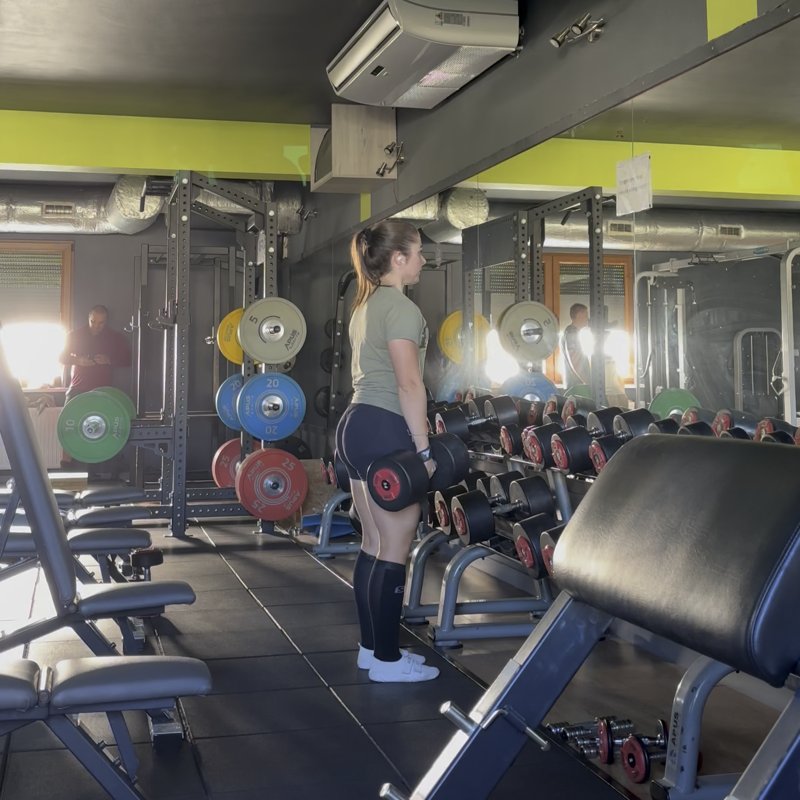
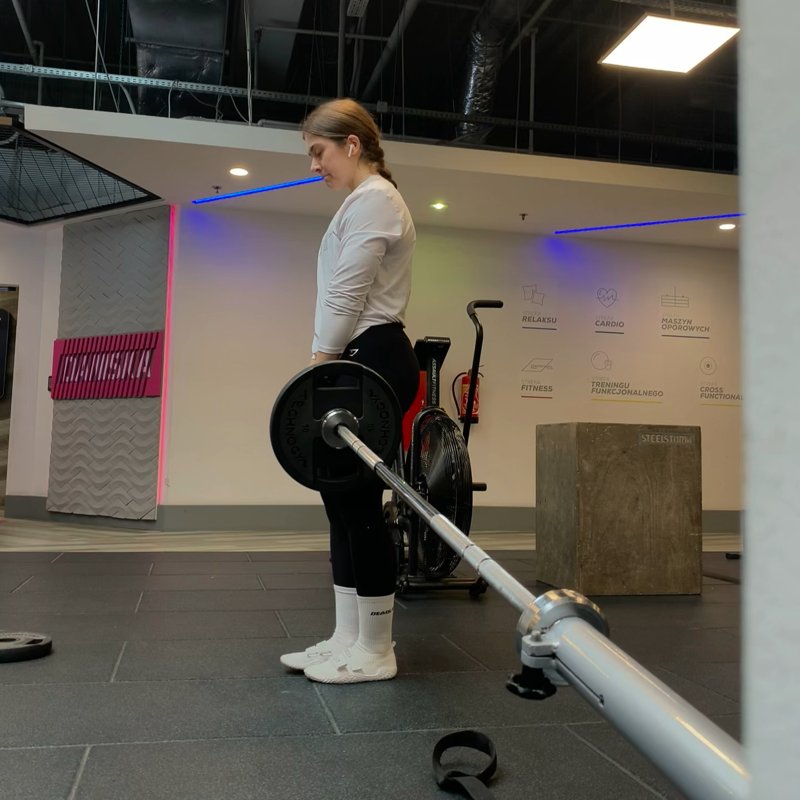
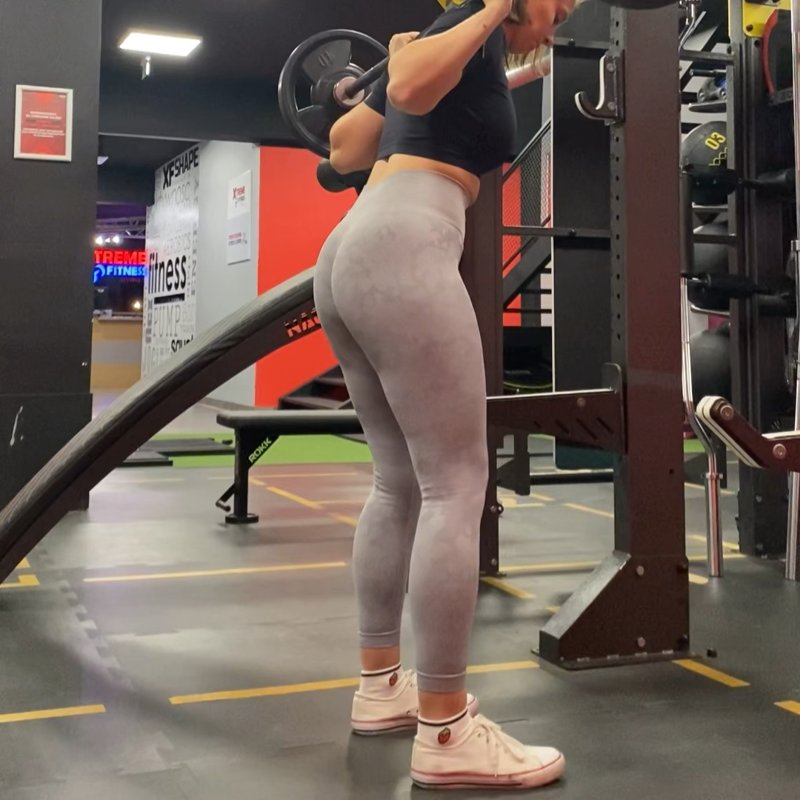
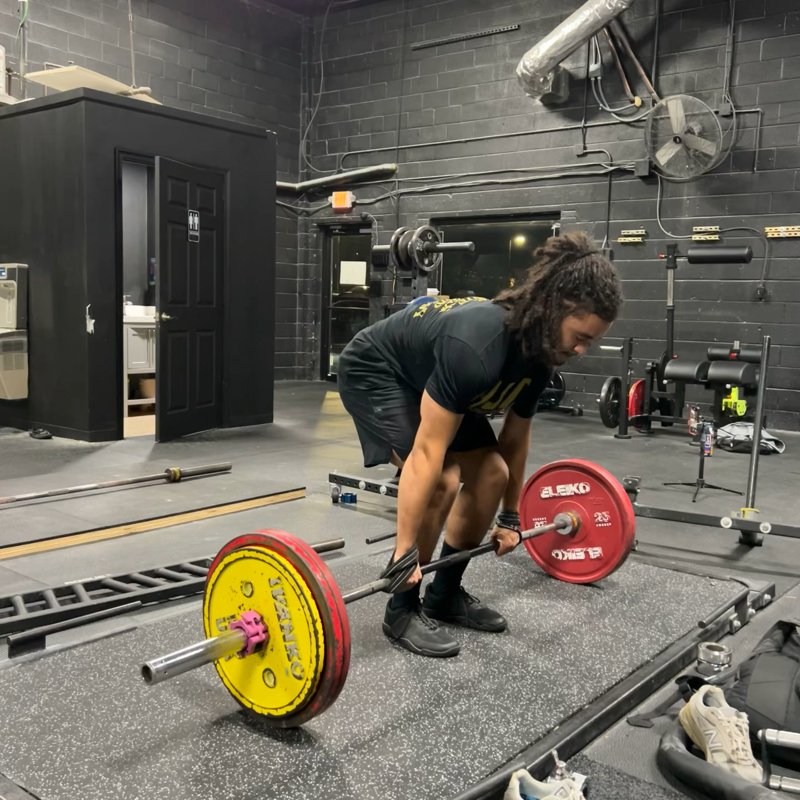
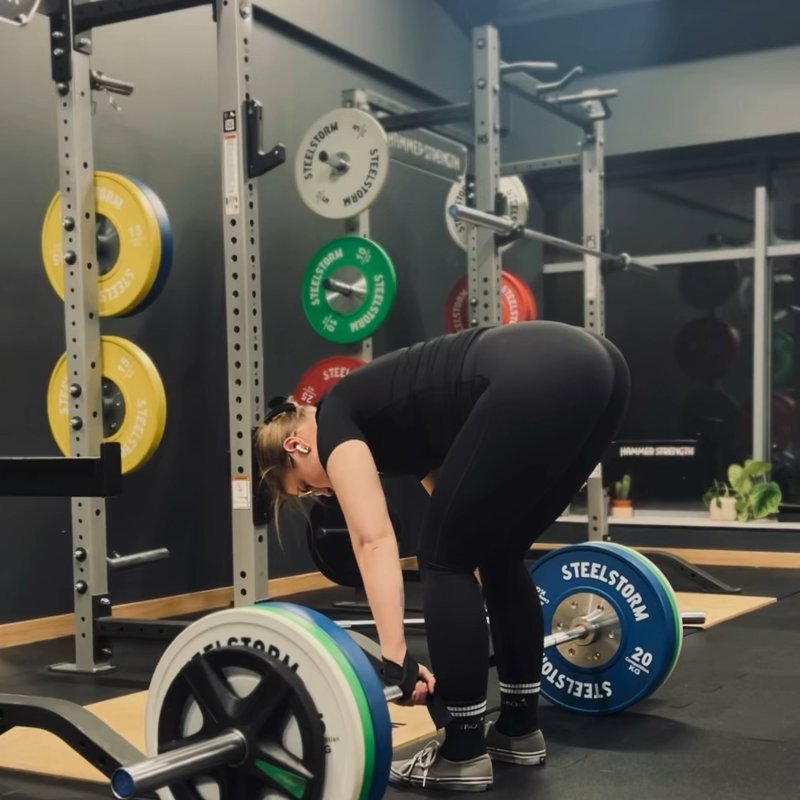
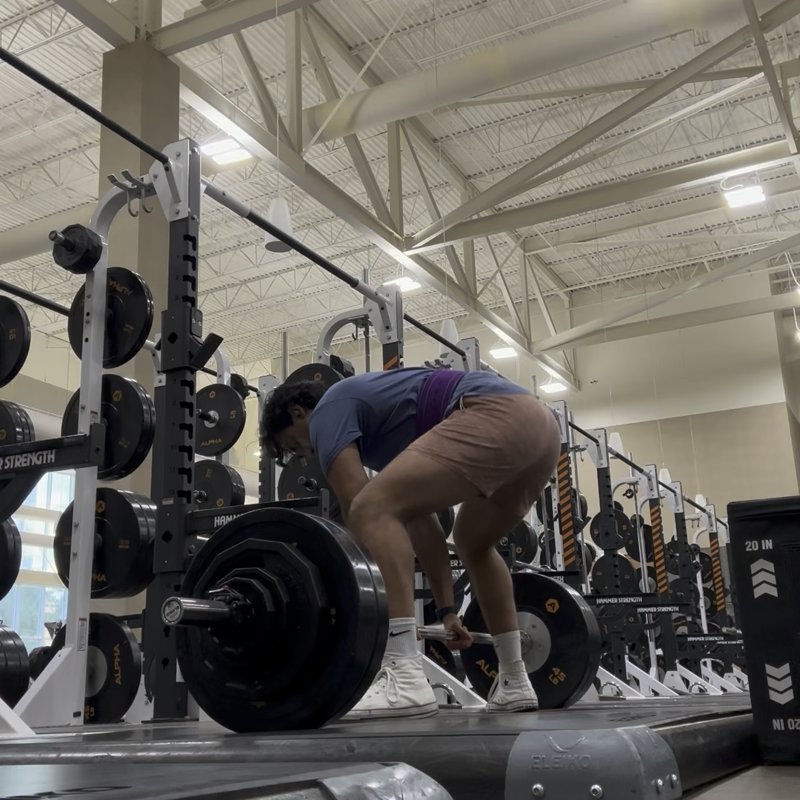
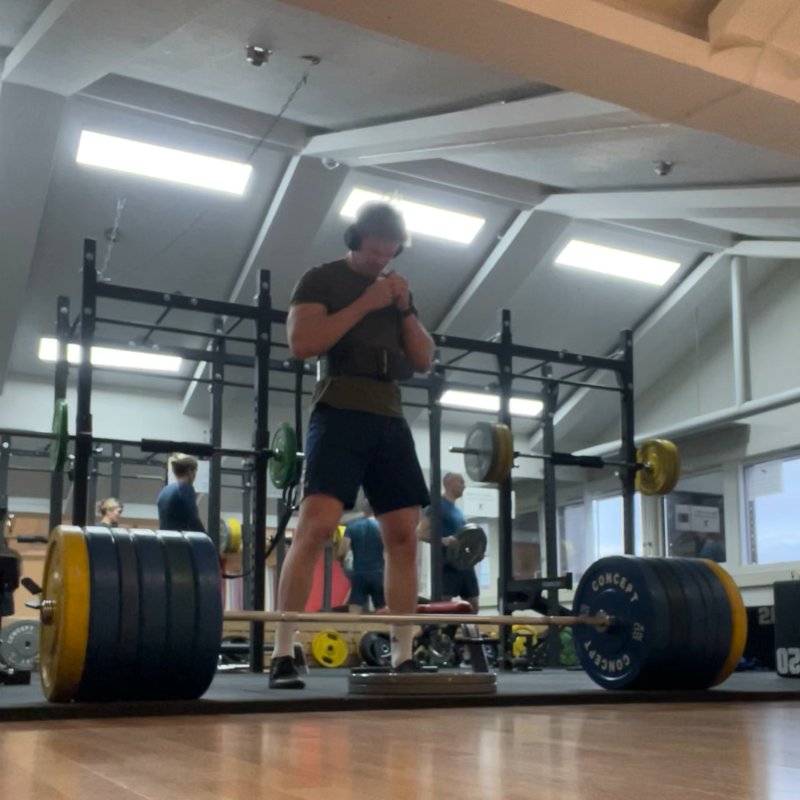
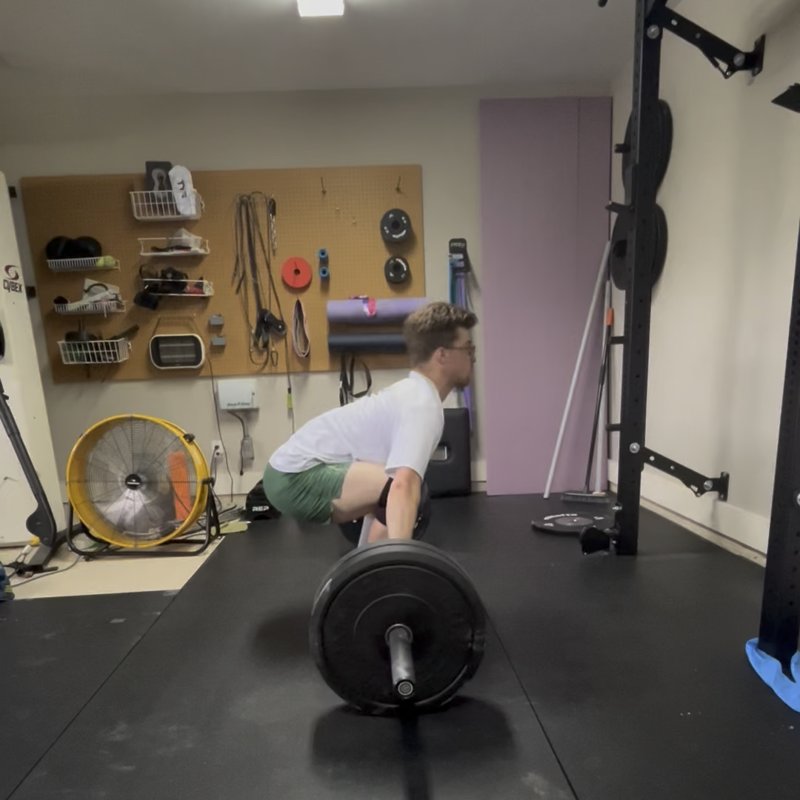
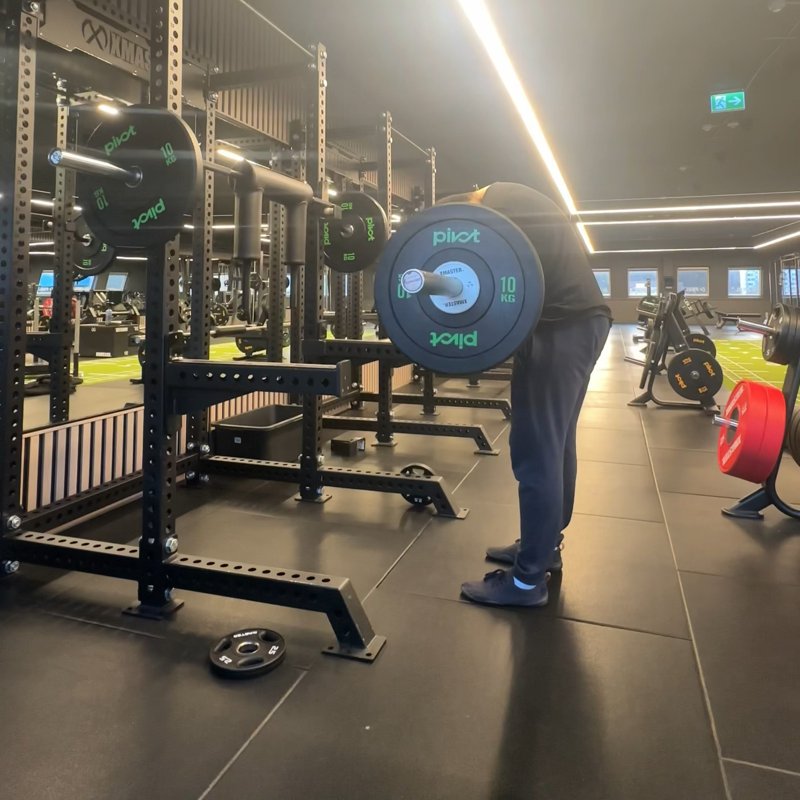
Romanian Deadlift demonstration

Quick Facts

Key Benefit

Builds exceptional posterior chain strength with less lower back stress than conventional deadlifts

Primary Muscles

Erector Spinae, Glutes, Hamstrings

Secondary Muscles

Forearms, Hip Adductors, Lats, Traps

Equipment

Barbell, Dumbbells (optional)

Difficulty

Intermediate

Type

Compound, Strength, Hypertrophy

Track Your Romanian Deadlift Progress

Log sets, track PRs, and see your strength gains over time.

star star star star star
8,000+ App Store Ratings
Download Gravitus from the App Store

The Romanian Deadlift (RDL) is one of the most effective exercises for developing the posterior chain muscles—hamstrings, glutes, and lower back. Unlike the conventional deadlift that starts from the floor, the RDL begins from a standing position and emphasizes the eccentric (lowering) phase of the movement, creating tremendous tension in the hamstrings and glutes. This hip-hinge movement pattern is not only essential for building muscle and strength but is also a fundamental movement skill that carries over to many athletic activities and daily life movements. The RDL teaches proper hip hinging while maintaining a neutral spine—a critical skill for safely lifting objects and protecting your back during various activities. Whether you're an athlete looking to improve performance, a strength enthusiast wanting to build a more balanced physique, or someone focused on functional fitness, the Romanian deadlift deserves a place in your training program. This comprehensive guide covers proper technique, common mistakes to avoid, effective variations, and programming strategies to help you maximize your results with this powerful exercise.

Why the Romanian Deadlift Is Worth Mastering

The Romanian deadlift offers several unique benefits that make it an essential exercise in any well-rounded strength training program:

Superior Hamstring Development

The eccentric-dominant loading pattern and stretched position create unmatched hamstring tension, making the RDL the best barbell exercise for hamstring hypertrophy. No other compound movement loads the hamstrings through such a deep stretch under tension.

Injury Prevention

Strong, flexible hamstrings are protective against both hamstring strains and ACL injuries. The RDL uniquely trains both strength and lengthened-position flexibility simultaneously, making it one of the most effective injury prevention exercises for athletes and lifters.

Improved Hip Hinge Mechanics

The top-down start position teaches proper hip hinging with less spinal load than conventional deadlifts, building movement quality that carries over to deadlifts, squats, cleans, and athletic movements like sprinting and jumping.

Lower CNS Fatigue

Lighter loads and no off-the-floor component mean RDLs are easier to recover from than heavy conventional pulls, making them ideal as a secondary hinge movement that won't compromise your other training.

Reduced Lower Back Stress

Compared to conventional deadlifts, the RDL typically places less compressive force on the spine while still effectively training the entire posterior chain. This makes it a better option for lifters with lower back sensitivity or during high-volume training phases.

Proper Romanian Deadlift Form: Step-by-Step

Starting Position

  1. Set up with a barbell (or dumbbells) at hip level, either by taking it from a rack or performing a deadlift to get into position.
  2. Stand with feet hip-width apart, toes pointing forward or slightly outward.
  3. Hold the bar with a shoulder-width, double-overhand grip (palms facing down).
  4. Stand tall with shoulders pulled back and down, chest up, and core engaged.
  5. The bar should be touching or nearly touching your thighs, with arms straight and elbows locked.
  6. Establish a neutral spine position (natural curve in lower back) that you'll maintain throughout the movement.

The Movement

  1. Initiate the movement by pushing your hips backward while maintaining a soft bend in the knees (about 10-15 degrees that remains consistent throughout).
  2. As you hinge at the hips, keep the bar close to your body, sliding it down your thighs.
  3. Maintain a neutral spine position—no rounding or excessive arching of the back.
  4. Continue lowering the bar by hinging at the hips until you feel a significant stretch in your hamstrings, typically with the bar reaching mid-shin level.
  5. At the bottom position, your torso should be roughly parallel to the floor or slightly above, depending on your mobility.
  6. Drive through your heels and mid-foot, contract your glutes, and push your hips forward to return to the standing position.
  7. Fully extend the hips at the top, squeezing your glutes, but avoid hyperextending your lower back.

Key Form Tips

Hip Hinge

Focus on pushing your hips back rather than bending forward; the movement is a hinge, not a squat.

Bar Path

Keep the bar in contact with or very close to your legs throughout the entire movement.

Knee Position

Maintain a slight, consistent bend in the knees; don't allow them to straighten completely or bend further during the movement.

Back Position

Keep a neutral spine throughout; neither rounded nor hyperextended.

Depth

Lower to a point determined by your hamstring flexibility, not an arbitrary position; stop when you feel a significant stretch.

Glute Activation

Finish each rep with a strong glute contraction, driving the hips fully forward.

Muscles Worked in the Romanian Deadlift

Primary Muscles

Hamstrings PRIMARY

The primary target of the RDL, the hamstrings work eccentrically during the lowering phase and concentrically during the lift. The deep stretch under load is what makes the RDL uniquely effective for hamstring growth.

glutes PRIMARY

The glutes work powerfully during hip extension, especially when driving back to standing. Peak glute activation occurs at full lockout when you squeeze at the top.

Erector Spinae PRIMARY

These muscles along the spine work isometrically to maintain a neutral spine throughout the movement. They resist flexion under load rather than producing movement.

Secondary Muscles

forearms SECONDARY

The forearms maintain grip on the bar throughout the exercise. Grip demands increase with heavier loads and longer time under tension.

traps SECONDARY

The upper back muscles work isometrically to keep the shoulders pulled back and maintain proper spinal alignment throughout the movement.

lats SECONDARY

The lats keep the bar close to the body and stabilize the shoulder position, preventing the bar from drifting forward.

hip adductors SECONDARY

The inner thigh muscles stabilize the legs and pelvis during the hip hinge, preventing knee valgus under load.

Progressive Overload: How to Get Stronger

To continually improve your Romanian deadlift performance and posterior chain development:

Beginners

Start with light dumbbells or an empty barbell to master the hip-hinge pattern. Focus on 2-3 sets of 8-10 controlled repetitions with perfect form, emphasizing the eccentric (lowering) phase. Practice the movement 1-2 times per week, allowing 48-72 hours between sessions for recovery.

Intermediate

Progress to moderate loads for 3-4 sets of 6-8 repetitions. Implement tempo training (e.g., 3-second lowering phase) to increase time under tension. Consider adding variations like single-leg RDLs to address imbalances. Train the movement 2 times weekly, possibly pairing with a squat-dominant day.

Advanced

Utilize periodization with varied rep ranges (4-6 for strength, 8-10 for hypertrophy). Add advanced techniques like paused reps (2-3 second pause at bottom position), drop sets, or deficit RDLs for increased range of motion. Consider specialized approaches like accommodating resistance (bands, chains) or strategic overreaching phases for continued progress.

Recommended Sets and Reps

How you program the Romanian deadlift depends on your training goal. Here are evidence-based recommendations for each:

Strength

Sets
3 - 5
Reps
3 - 6
Rest
3 - 5 min
RPE
7 - 9

Hypertrophy

Sets
3 - 4
Reps
8 - 12
Rest
90 - 120 sec
RPE
7 - 8

Endurance

Sets
2 - 3
Reps
15 - 20
Rest
60 - 90 sec
RPE
6 - 7

Common Mistakes and How to Avoid Them

Rounding the lower back

Allowing the lower back to round places extreme stress on the spine and reduces hamstring engagement. Maintain a neutral spine position throughout the movement by bracing your core, keeping your chest up, and focusing on hinging at the hips rather than bending at the waist.

Bending the knees too much

Excessive knee bend turns the movement into a partial squat rather than a hip hinge. Establish a slight (10-15 degree) knee bend at the start of the movement and maintain that same bend throughout the exercise, focusing on hinging at the hips while keeping the shins relatively vertical.

Lowering the weight too far

Forcing depth beyond your current hamstring flexibility can cause your lower back to round. Only lower the weight to the point where you feel a significant stretch in your hamstrings and can maintain a neutral spine. As flexibility improves over time, your range of motion will naturally increase.

Moving the bar away from the body

Allowing the bar to drift forward increases strain on the lower back and reduces hamstring engagement. Keep the bar in contact with or very close to your legs throughout the entire movement, thinking about sliding it down your thighs and shins during the descent.

Romanian Deadlift vs. Conventional Deadlift

The RDL and conventional deadlift are both hip-hinge movements, but they differ in key ways that affect which muscles are emphasized and when to use each one.

Romanian Deadlift Conventional Deadlift
Starting Position Standing, bar at hip level Floor, bar over mid-foot
Movement Emphasis Eccentric (lowering phase) Concentric (lifting phase)
Knee Bend Slight, fixed (~15 degrees) Significant flexion and extension
Primary Muscles Hamstrings, glutes Quads, glutes, entire back
Bar Path Stays close to legs, no floor contact Floor to lockout each rep
Typical Load 50-70% of conventional deadlift Heavier absolute loads
Best For Hamstring hypertrophy, hip hinge patterning Total-body strength, powerlifting

Bottom line: Use both. The RDL is an excellent accessory to the conventional deadlift. Program conventional deadlifts for heavy strength work (1-5 reps) and RDLs for posterior chain hypertrophy (8-12 reps) on a separate training day.

Romanian Deadlift Variations

Equipment Variations

  • Dumbbell Romanian Deadlift

    Using dumbbells instead of a barbell allows for a slightly longer range of motion and can highlight and address strength imbalances between sides.

  • Single-Leg Romanian Deadlift

    Performing the movement on one leg at a time significantly increases the balance challenge and core engagement while addressing strength asymmetries.

  • Banded Romanian Deadlift

    Adding resistance bands to the barbell creates accommodating resistance that increases tension at the top position, emphasizing glute activation.

Advanced Variations

  • Deficit Romanian Deadlift

    Standing on a small platform (1-2 inches) increases the range of motion and stretches the hamstrings to a greater degree.

  • Snatch-Grip Romanian Deadlift

    Snatch-Grip Romanian Deadlift

    Using a wider grip increases the range of motion and places additional emphasis on the upper back muscles.

  • Good Morning

    A related hip-hinge movement where the weight is supported across the upper back, placing less stress on the grip while maintaining similar mechanics.

FAQs About the Romanian Deadlift

The primary differences are the starting position and movement pattern. Conventional deadlifts start with the weight on the floor and involve both a knee and hip extension, essentially moving the weight from floor to hip level. Romanian deadlifts start from a standing position and emphasize hip hinging with minimal knee bend, focusing primarily on the eccentric phase (lowering) and targeting the hamstrings more directly. Additionally, RDLs typically use a higher hip position, more vertical shins, and often employ lighter weights with higher repetitions compared to conventional deadlifts.

Lifting straps can be beneficial for Romanian deadlifts, especially when working with heavier weights or higher repetitions where grip might become a limiting factor. Since the primary goal of RDLs is to train the posterior chain—not grip strength—straps allow you to focus on the target muscles without being limited by your grip. That said, it's generally good practice to perform some sets without straps to develop grip strength. A balanced approach would be to use straps for your heaviest sets or when programming higher repetitions (10+) while going without straps for warm-up sets and moderate-load work.

The exercise gets its name from Romanian Olympic weightlifter Nicu Vlad, who was observed performing it at the Olympic Training Center in Colorado Springs in the early 1990s. When asked about the movement, his coach explained they used it to strengthen the back for their competition lifts. American coaches adopted the name "Romanian deadlift" and it stuck. Before that, the movement had no widely recognized name despite being used by lifters for decades.

While often confused, these are distinct movements. The Romanian deadlift maintains a slight, fixed knee bend (about 15 degrees) throughout and stops the bar at roughly mid-shin level. The stiff-leg deadlift uses straighter legs (though not fully locked) and often involves standing on a platform to lower the bar past the feet for a greater range of motion. The RDL also keeps the bar closer to the body, while the stiff-leg deadlift allows the bar to travel further from the shins. For most lifters, the RDL is the safer and more practical choice because the fixed knee angle makes it easier to maintain a neutral spine.

Most lifters use 50-70% of their conventional deadlift 1RM for Romanian deadlifts. If you can deadlift 300 lbs, your working RDL weight would typically be 150-210 lbs. Start lighter than you think you need to and focus on feeling a deep stretch in your hamstrings on every rep. The RDL is not a max-effort exercise—it is most effective with moderate loads, controlled tempo, and full range of motion. If you cannot maintain a neutral spine or feel the stretch in your hamstrings, the weight is too heavy.

Yes, but beginners should master the hip-hinge pattern first. Start with bodyweight hinges (standing, pushing hips back while maintaining a flat back), then progress to a dowel or light dumbbells. Once you can perform 10-15 clean hip hinges, move to a barbell with just the bar. Common beginner mistakes include treating it like a squat (too much knee bend) or rounding the back. A good cue is to imagine closing a door behind you with your hips. Most beginners are ready for loaded RDLs within 2-4 weeks of practicing the pattern.

Most lifters benefit from performing Romanian deadlifts 1-2 times per week. Training the movement once per week is sufficient for building strength and muscle, while twice per week can accelerate progress if you manage recovery well. Avoid doing heavy RDLs and heavy conventional deadlifts on the same day or on consecutive days, as both movements tax the posterior chain significantly. A common approach is to pair a heavy squat day with RDLs as an accessory, and a heavy deadlift day with a quad-dominant accessory.

Video Demonstrations

Romanian Deadlift video demonstration

Log in to watch video demonstrations

Login to Watch

3 video demonstrations available

Find more video demonstrations in the Gravitus app

Tips from the Community

  • Avatar for Eric Wagner

    Keep your chest up, back slightly arched and your shoulders retracted.

  • Avatar for Eric Wagner

    The bar should stay in contact with your legs all the way down.

  • Avatar for Eric Wagner

    Descend as far as you can without rounding your back.

  • Avatar for Ryan Hunt

    Push your hips back, and don’t let your knees come forward once they’re unlocked

  • Avatar for Nick Gomez

    Neck should remain “neutral,” and stay straight aligned with back. Neck should not be craned up, looking forward like the video.

Ready to get serious about your Romanian Deadlift?

Download Gravitus to track your sets, monitor PRs, and follow structured programs built around exercises like this.

star icon star icon star icon star icon star icon
8,000+ App Store Ratings
Download Gravitus workout tracker from the iOS App Store

Helpful Resources

Romanian Deadlift Strength Standards

See how your Romanian Deadlift compares to other lifters. Check strength standards by bodyweight and gender.

View Strength Standards

One Rep Max Calculator

Find your one rep max for any exercise without maximal testing. Essential for developing effective strength training programs.

Calculate 1RM

Workout Programs

Follow structured workout programs created by fitness professionals to maximize your strength and muscle gains.

View Programs
Track Your Romanian Deadlift
Log sets, track PRs, see your gains
Download